How soilless growing is turning one of agribusiness’s biggest bottlenecks into a competitive advantage
The shortage of farm labor is one of the main challenges facing Brazilian agribusiness. The aging of the rural population, migration to urban centers, and the difficulty of finding qualified professionals have directly impacted agricultural production. Between 2000 and 2022, Brazil’s rural population shrank by 33.8%, according to the World Bank — almost double the global average for the period (19.2%). With fewer people in rural areas and greater difficulties with family succession, producers are looking for alternatives to maintain productivity and competitiveness.
In this scenario, hydroponics has been establishing itself as an efficient solution. The soilless growing system combines technology, production control, and resource optimization, making it possible to produce more in less space, with less dependence on intensive labor and greater production predictability. More than a trend, hydroponics represents a practical, already-proven path for tackling today’s challenges in the field.
Worker shortages are putting pressure on productivity in the field
Finding and keeping qualified workers in the field has become increasingly difficult. Activities that demand physical effort, exposure to weather conditions, and long workdays discourage new professionals, directly impacting the productivity and growth of rural properties.
Even though Brazilian agribusiness employed 28.58 million people in the third quarter of 2025 — a record since 2012, according to Cepea/Esalq/USP and CNA — , demand for skilled labor continues to outstrip the available supply. According to a survey by Canal Rural, 39% of producers point to workers’ preference for urban centers as the main cause of the shortage, while 33% cite a lack of interest in rural life.
Given this scenario, there is growing demand for production systems that reduce dependence on labor, increase operational efficiency, and offer greater control over production.
The challenge also involves family succession. According to consultant John Ward, only 30% of family businesses make it to the second generation, and just 5% reach the third. Given this scenario, investing in more efficient production systems has become essential for maintaining competitiveness and ensuring the continuity of rural operations.
The rise of hydroponics in Brazil and around the world
Hydroponics has stopped being a niche bet and become an irreversible trend. In Brazil, Embrapa estimates indicate that between 1,500 and 3,000 hectares already use the system, with a strong presence among vegetables such as lettuce, arugula and watercress, but also strawberries, fresh herbs and edible flowers.
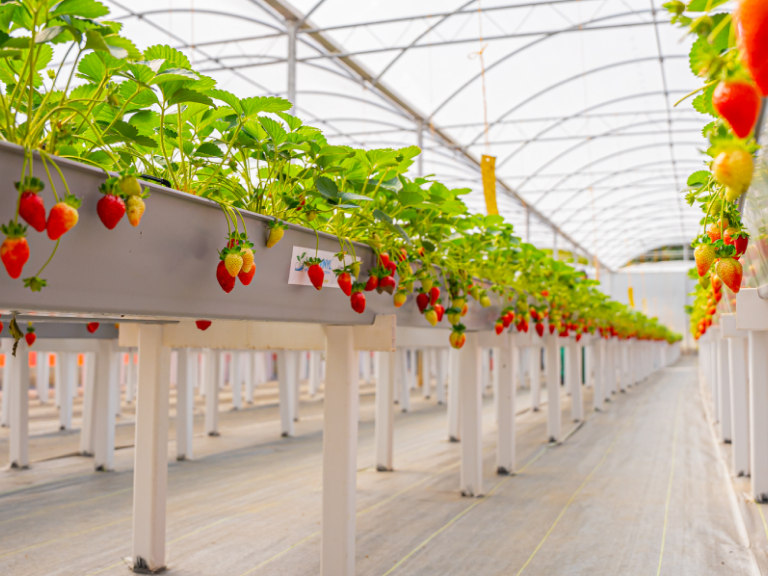
Hydroponics has stopped being a technology restricted to a few producers to become one of the leading trends in modern agriculture. The system is present on thousands of properties in Brazil and continues to expand its share of the market for vegetables, fruits, and specialty plants.
Globally, the sector shows accelerated growth driven by three main factors:
- Shortage of agricultural labor;
- The need for rational water use;
- Growing demand for fresh, standardized food.
The combination of these factors has led producers to adopt more efficient, technologically advanced systems.
How hydroponics helps reduce dependence on labor
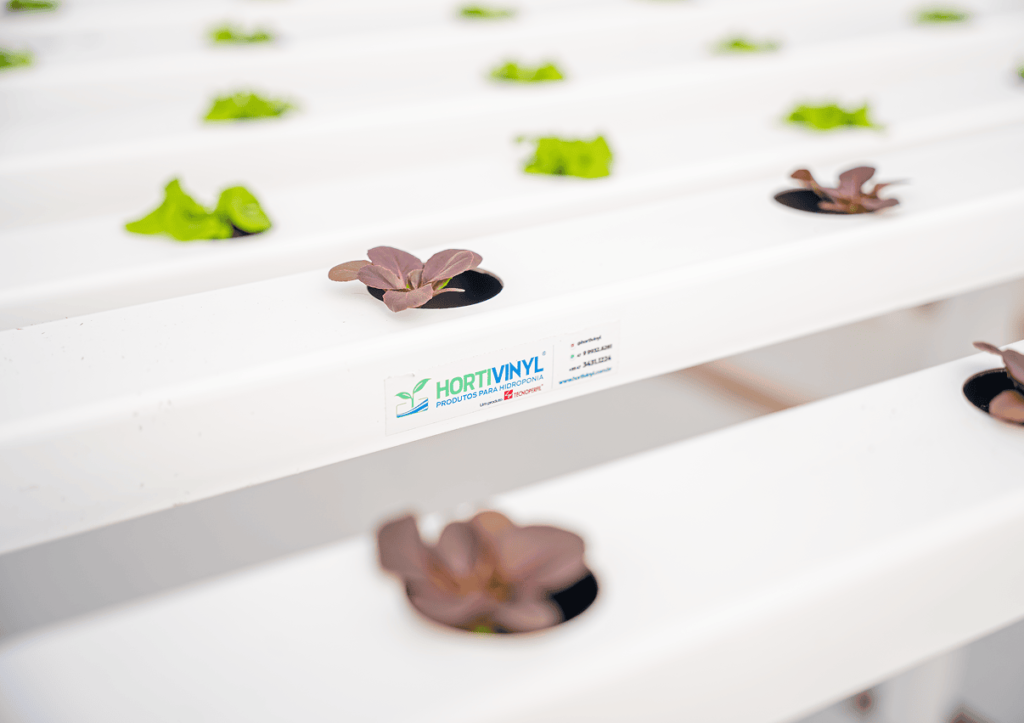
Hydroponics is a soilless growing system in which plants receive nutrients through a balanced nutrient solution. Growth takes place in channels or hydroponic profiles, where the roots remain in constant contact with the nutrient solution.
The system’s success depends on monitoring factors such as:
- pH of the nutrient solution;
- Electrical conductivity (EC);
- Water temperature;
- Oxygenation of the solution;
- Equipment operation.
This control makes it possible to give plants exactly the nutrients they need at each stage of development, increasing production efficiency.
One of the main advantages is the reduced need for labor. While conventional farming requires activities such as soil preparation, weeding, fertility correction, and frequent irrigation management, hydroponics concentrates most of the work on monitoring the nutrient solution and the equipment. This allows small teams to manage large production volumes, significantly increasing operational efficiency compared with many conventional systems.
Besides optimizing work in the field, hydroponics offers greater production predictability, allowing for more precise planning of growing cycles and harvests.
The comparison below helps visualize the differences:
Activity | Conventional Farming | Hydroponics |
Soil preparation | Required | Not required |
Weeding | Frequent | None |
Fertilization | Periodic applications | Via nutrient solution |
Irrigation | Variable | Automated |
Nutrient control | Lower precision | High precision |
Harvest | Manual | More organized |
This simplification allows small teams to manage large production volumes with greater operational efficiency.
Automation: an ally against the labor shortage
Hydroponics also favors the adoption of automation technologies.
Modern systems can incorporate:
- Timers;
- Level sensors;
- Irrigation controllers;
- pH monitoring equipment;
- Electrical conductivity meters;
- Automated fertigation systems.
These tools reduce the need for manual intervention and increase operational safety, allowing the producer to devote more time to managing the business and less to repetitive tasks.
See also:
Getting started in hydroponics: begin with structure, greenhouse, and safety
More productivity in less space
Another distinguishing feature of hydroponics is its high productivity per square meter. Because the environment is controlled and plants receive nutrients precisely, growth tends to be more uniform and faster. In addition, growing can take place at different times of the year, reducing the impact of climate variations.
This allows the producer to have:
- Better use of available space
- Continuous production throughout the year
- Better harvest planning
- Standardized product quality
- Reduced losses
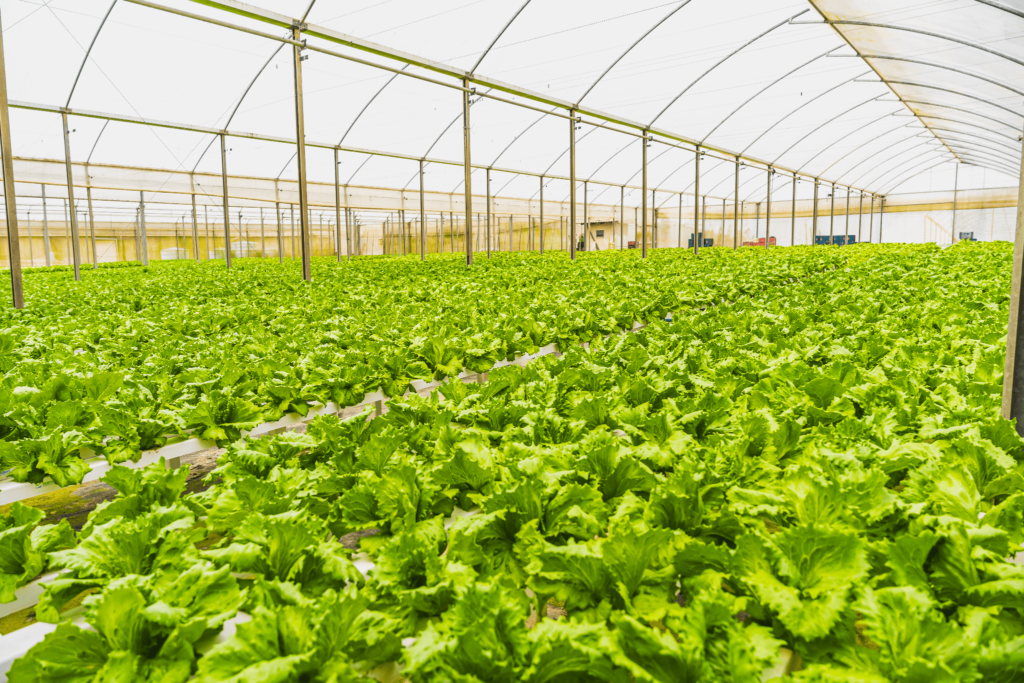
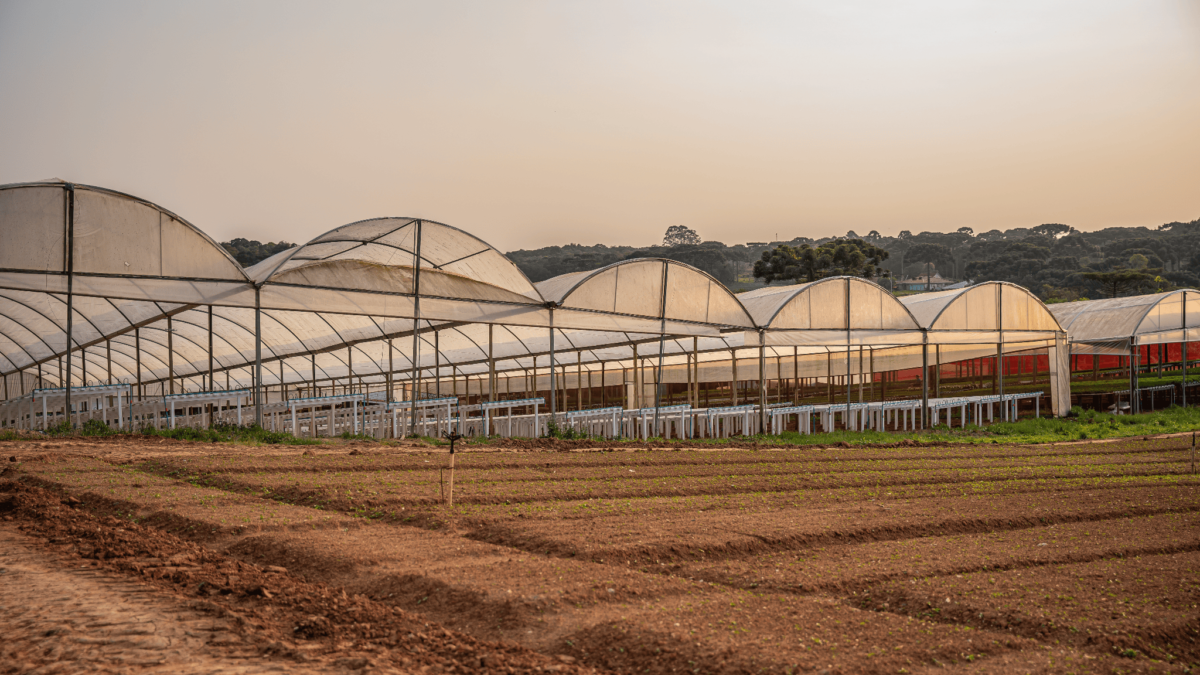
In addition, hydroponic systems can produce large volumes of vegetables in relatively small areas, benefiting properties with limited space.
Today, hydroponic production already accounts for 45% of the leafy greens supply in Brazil, according to publications from the Brazilian Agricultural Research Corporation (Embrapa). The result is a more efficient operation, ready to meet market demands.
Benefits that go beyond labor savings
In addition to reducing dependence on labor, hydroponics offers a range of advantages that help increase production efficiency and profitability.
- Faster financial return: In smaller areas, the system can generate higher revenue than extensive crops with lower added value.
- Significant water savings: Recirculating the nutrient solution can reduce water consumption by up to 60%, making production more efficient.
- Sustainability and rational use of resources: Precise control of nutrient application reduces waste and improves the use of resources used in growing.
- Standardization: The controlled environment favors the development of more uniform plants with consistent quality.
- Greater control and traceability: Constant monitoring of the crop makes production management easier and adds value for more demanding markets, such as supermarkets, restaurants, and food service providers.
Sustainability as a competitive advantage
Beyond saving water, hydroponics contributes to more sustainable production.
Among the main environmental benefits are:
- Reduced soil erosion;
- Less nutrient leaching;
- Less need for weed control;
- More efficient use of fertilizers;
- Production near consumer centers, reducing logistics costs and transportation-related emissions.
These characteristics make hydroponics an alternative aligned with today’s demands for sustainability and environmental responsibility.
Control and predictability in production
One of the great advantages of hydroponics is planning capability. Producers can track plant development with greater accuracy, organize production cycles, and forecast harvest periods.
This predictability makes it easier to:
- Meet customer demand
- Manage inventory
- Plan finances
- Schedule future plantings
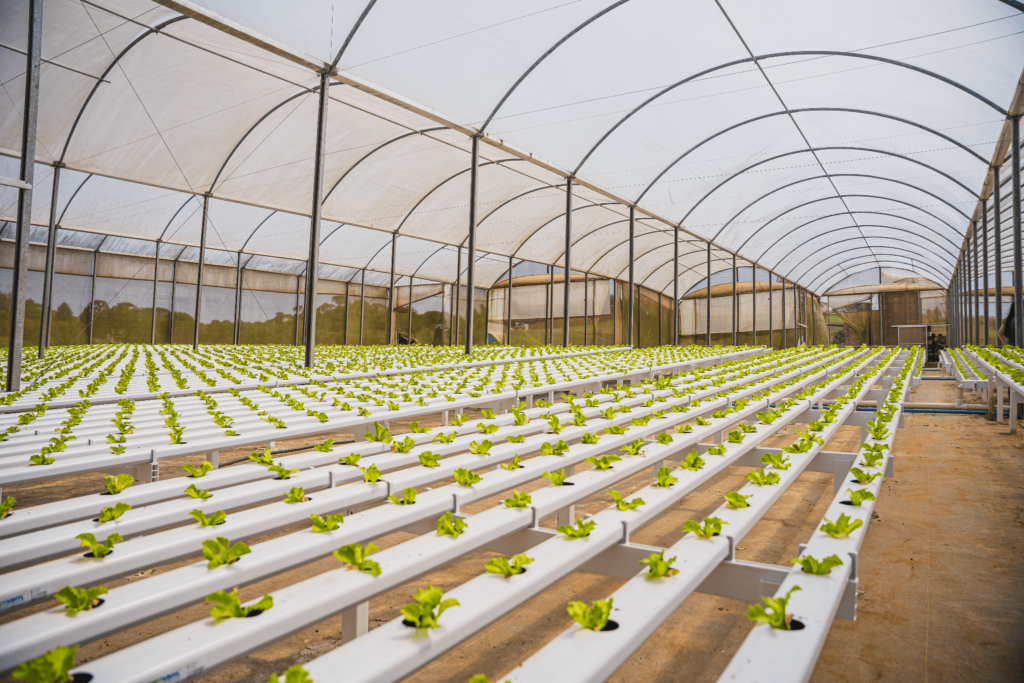
In an increasingly competitive market, having control over production represents an important strategic advantage.
Hydroponics challenges that deserve attention
Despite its many advantages, hydroponics also requires careful planning and management to achieve good results.
Among the main challenges are:
- Initial investment: setting up the system requires resources for structures such as grow beds, channels, pumps, greenhouses, and hydraulic systems.
- Dependence on infrastructure: equipment failures, irrigation interruptions, or clogging can quickly compromise production, requiring constant monitoring and preventive maintenance.
- Technical knowledge: the success of the crop depends on tracking factors such as pH, electrical conductivity, temperature, and equipment operation, making training an essential factor.
Although it requires greater operational control, hydroponics gives producers the opportunity to professionalize production management and reach higher levels of efficiency and productivity.
See also:
Essential accessories in hydroponics
Infrastructure: a decisive factor for growing success
The performance of a hydroponic system is directly related to the quality of the materials used. Channels, growing tracks, and structural components need to offer durability, safety, and efficiency to support continuous operation.
A well-sized structure contributes to:
- Better circulation of the nutrient solution
- Easier cleaning and sanitation;
- Longer system lifespan
- Less need for maintenance
- Greater operational safety
That’s why working with specialized suppliers makes all the difference when setting up and expanding hydroponic projects.
Learn more:
Hortivinyl’s advantages
Hortivinyl: the ideal partner for your hydroponic project
With 10 years working alongside rural producers and more than 40 product lines for hydroponics, Hortivinyl develops solutions that help make production more efficient, productive, and competitive. Present throughout Brazil and Latin America, we offer products designed to ensure durability, quality, and high performance.
Investing in a well-planned hydroponic system means investing in the future of agriculture. And Hortivinyl is ready to help producers turn challenges into opportunities through technology and innovation.
Visit our website and build your custom system today.